All projects
Palghar, India · Education · Agriculture
Composting and Community
We built and tested three composting bins from natural local materials, taught daily English lessons to young children, and learned at Govardhan Ecovillage.
3natural composting bins built
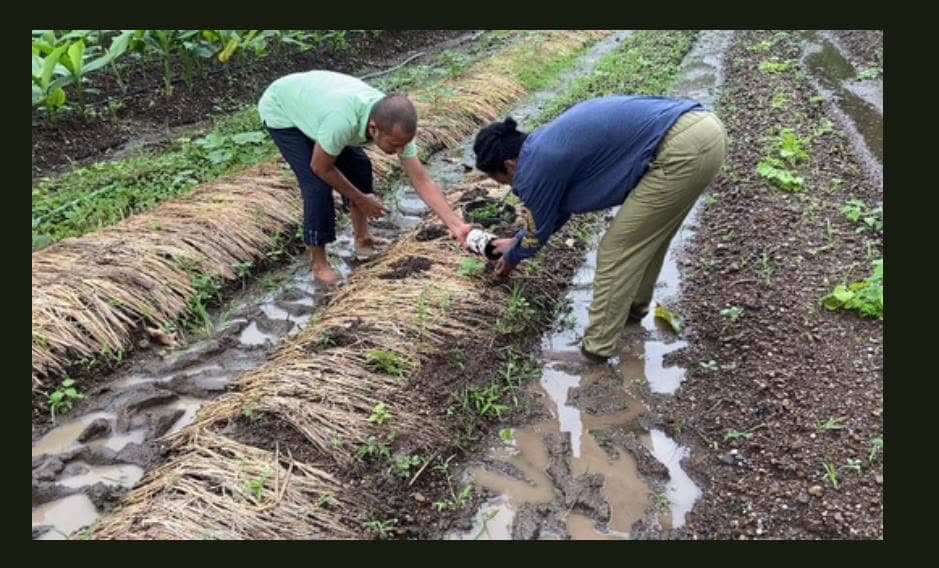
Working with
- The Palghar community
- Govardhan Ecovillage
In Palghar
We developed and tested three composting bins made entirely from natural materials. They cut odour and increased adoption among rural villagers.
Alongside the bins, we taught daily English lessons to children aged 3 to 7, to build their communication skills.
The context we learned
- The problem
- Climate change hits poor families hardest, and they often lack quality education, food and water.
- Locally
- Caste systems keep some ethnic groups in lower social strata.
- Globally
- India's natural resources were exploited under colonial rule, leaving Indigenous communities more exposed to climate disasters.
Govardhan Ecovillage
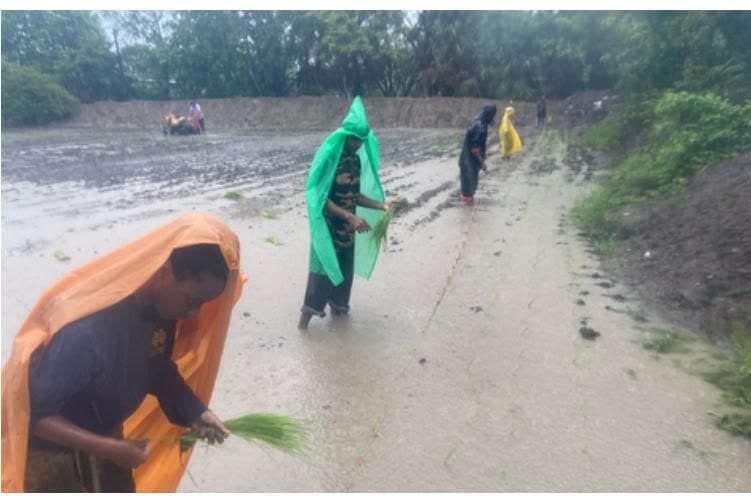
- Empowering farmers
- A seed bank provides climate-resistant Indigenous seeds, and all produce is bought from farmers who use no chemicals.
- Supporting rural women
- Skills training raises employability and earnings for rural women exposed to climate impacts and gender-based violence.
- Inspiring others
- The village is a model of communal, circular-economy living that others can replicate.
What stood out
Highly educated volunteers, some with PhDs and master's degrees, choose to give their time at the ecovillage when they could earn far more elsewhere.
What we brought home
- Encouraging composting in our own community to reduce waste and improve soil.
- Eating meat on only two days a week to lower our footprint.
- Starting a plot at the Notre Dame community garden.
Next project
Micro-Gardens, South Bend, Indiana